

Noise Pollution
Noise Pollution Over the last few decades, noise pollution in the ocean has increased dramatically. As most marine species are highly dependent on sound for their survival, this type of pollution is extremely damaging for marine wildlife. Not only does it interfere with the key life functions of these animals, in some cases, it even causes death.
Visibility is often low but sound is transmitted extremely well through water. As a result, it has evolved as an important sensory signal for marine wildlife, particularly for marine mammals such as whales, dolphins, and porpoises. They rely on sound to communicate, locate mates and prey, avoid predators, navigate, and even to defend their territories.
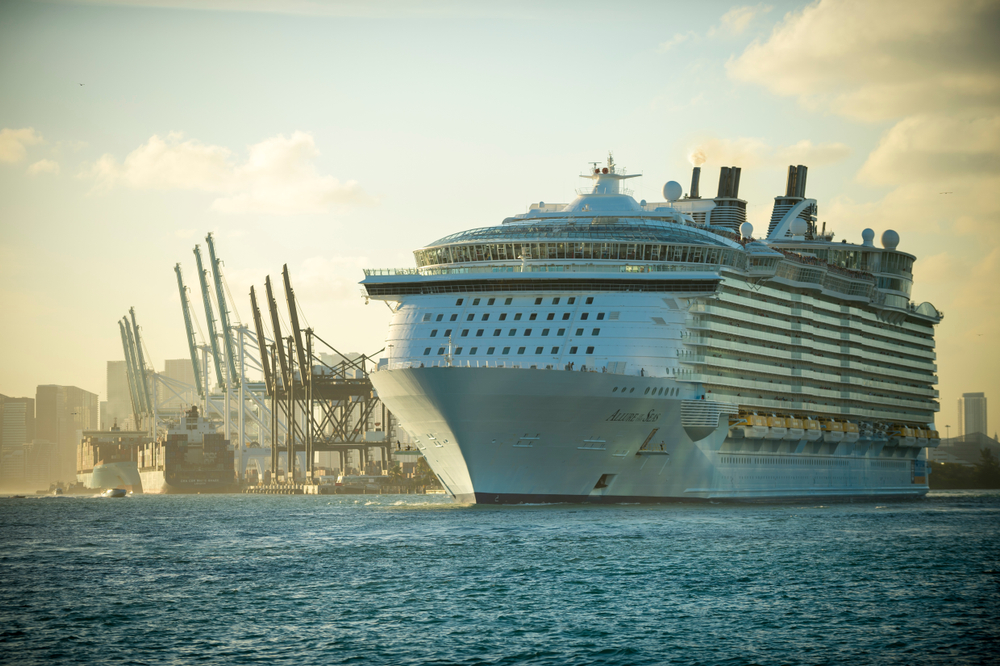
To reduce anthropogenic noise in the marine environment, policies are needed to reduce propeller noise from ships and to mitigate the sounds of sonar equipment, seismic air guns, pile driving and construction. Quieter technologies are also needed. These actions can improve the ocean soundscape and potentially enable the recovery of some marine life.
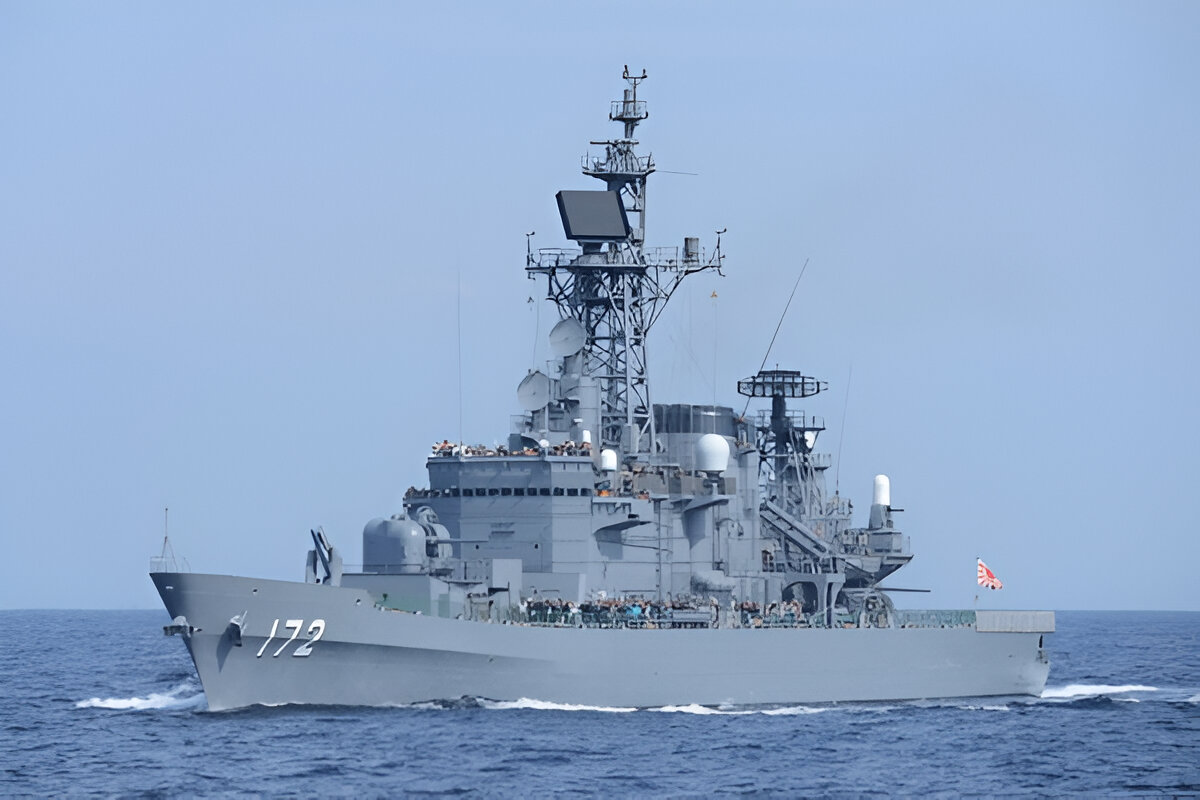
NOAA works with other federal agencies and industries that are proposing projects that might affect marine species and their habitat—such as oil and gas exploration and drilling, construction, or military training activities. All of which create loud underwater sounds. NOAA created an Ocean Noise Strategy Roadmap includes steps to improve knowledge what about underwater noise, and how to work to minimize adverse effects of ocean noise on marine species and habitats.
Dolphin News